


 15 Min

In OTC

Bookmark
Objectives
After studying this module, assistants will:
- Know the different stages of the sleep cycle
- Understand the causes of insomnia and stress
- Be confident recommending OTC treatments
- Be able to provide advice on sleep hygiene.
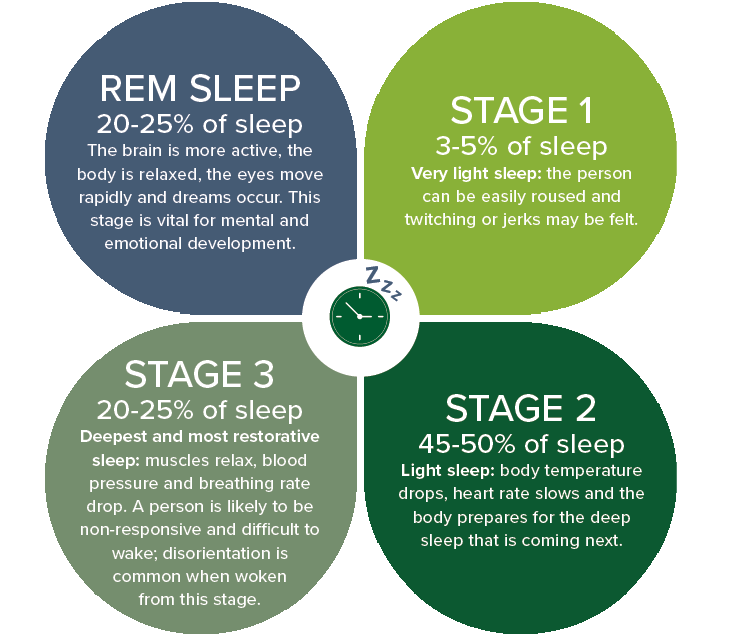
Not all sleep is the same. In fact, there are distinct stages and types of sleep, all of which have their own characteristics. The two main types of sleep are non-rapid eye movement (NREM), which is split into three stages, and rapid eye movement (REM).
Sleep usually begins in stage 1, then moves to 2, then 3, then back to 2. People may then move into REM sleep and back to stage 2 again. The first period of REM usually happens about 90 minutes after falling asleep, with REM periods becoming longer as sleep goes on.
Each cycle lasts around 90 minutes for adults (less for children) and a good night’s sleep requires four to six cycles. All four stages need to be experienced for a person to wake up feeling rested. The amount of sleep needed depends on factors such as age, sex and health.
Did you know?
Before colour television, only 15 per cent of people dreamt in colour, compared to 75 per cent today.